AP BIOLOGY PROTEIN AND PROTEIN COMPLEX CATALOG
HALL OF FAME
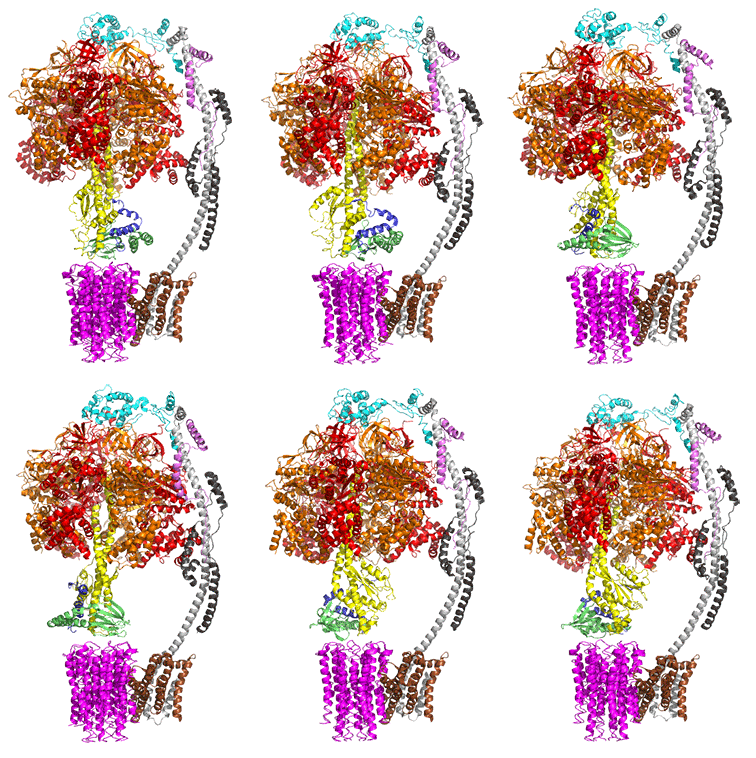
ATP synthase is a massive multiple subunit enzyme responsible for the synthesis of ATP. ATP synthase synthesizes ATP by ramming ADP (adenosine diphosphate) molecules onto inorganic phosphate groups over and over and over again. This reaction only happens when there is a current of hydrogen ions passing through the enzyme in the correct direction (into the spinning component and out). ATP synthase is a key component of both oxidative phosphorylation and cyclic photophosphorylation. Most of the ATP generated by our cells is the work of ATP synthase.

Aquaporins are passive transport proteins that allow the simple diffusion of water molecules across the phospholipid bilayer. Although it is true that water molecules could pass through the cell membrane without any aquaporins, water travels much more quickly if an aquaporin is present. Aquaporins are a crucial protein for cells that require a quick exchange of water (kidney cells for example). Fun fact, there are some proteins which are part of the aquaporin family that also allow glycerol to quickly pass through the membrane. These proteins are called aquaglyceroporins!
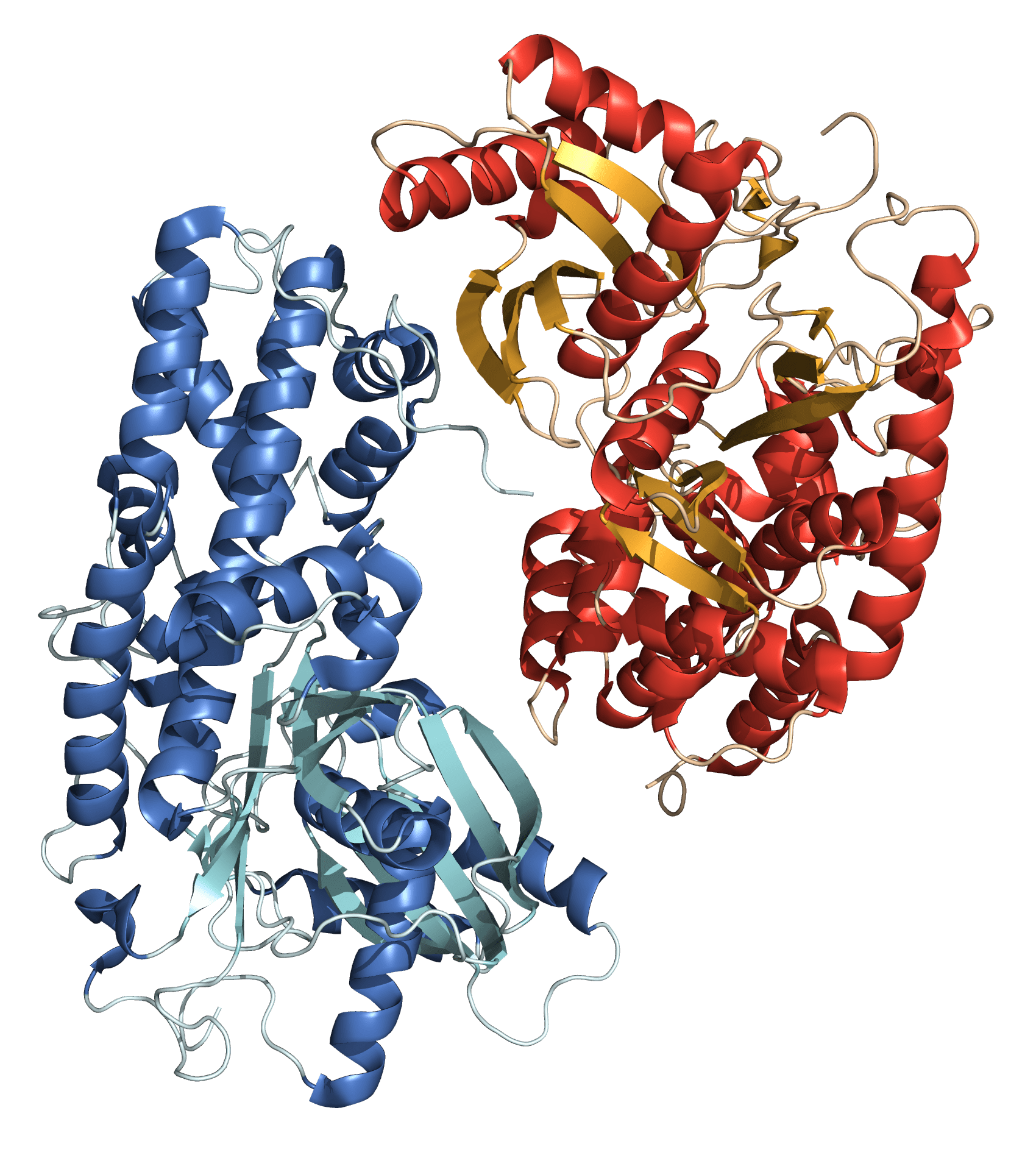
Hexokinase is a kinase that phosphorylates glucose, altering its structure and breaking the glucose into glucose-6-phosphate (G6P). Hexokinase takes glucose and converts it into an easier to handle sugar, beginning glycolysis (the breakdown of glucose). When a glucose molecule within the cell is phosphorylated by hexokinase, its G6P molecules find it harder to leave the membrane because of the fact that they are polar and lack an adequate number of specialized transport proteins. For hexokinase to phosphorylate glucose, it requires a little bit of invested ATP. The cell will recover from this loss of ATP later on during cellular respiration!
DNA/RNA SECTION
Histones are one of the proteins responsible for forming chromatin (DNA organized alongside related proteins). The image you see to the left is a ribbon model of a histone "octamer," which is just a collection of histone proteins that come together to pack DNA. The histone octamer is composed of eight protein subunits, with 2 copies of each of the 4 core histones named H1, H2, H3 and H4. Histones take advantage of the fact that DNA is largely negatively charged, forming a spool around a histone octamer because histones are mostly positively charged. Histone octamers are themselves organized into tight groupings (heterochromatin), but can be "opened" with the addition of an acetyl group to form euchromatin.

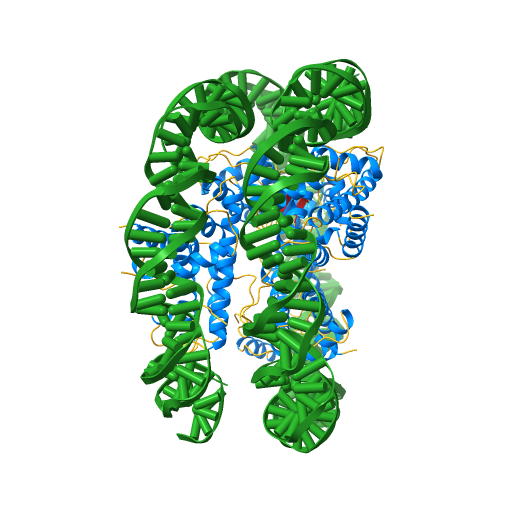
Topoisomerase is critical for DNA replication, beginning the process by unwinding the DNA double helix into a shape that is more manageable. Topoisomerase does this by cutting the DNA double helix along its main axis, allowing (waiting for) the two parallel strands to relax, and then zipping the relaxed strands together. If topoisomerase was removed, DNA would supercoil (become tightly wound in one area) and make replication especially tricky. Topoisomerase has two types, type 1 and type 2. Type 1 topoisomerase cuts one DNA strand during the unwinding process, while type 2 cuts both. The "topo" in "topoisomerase" comes from the Greek word "topos," which means space or location.
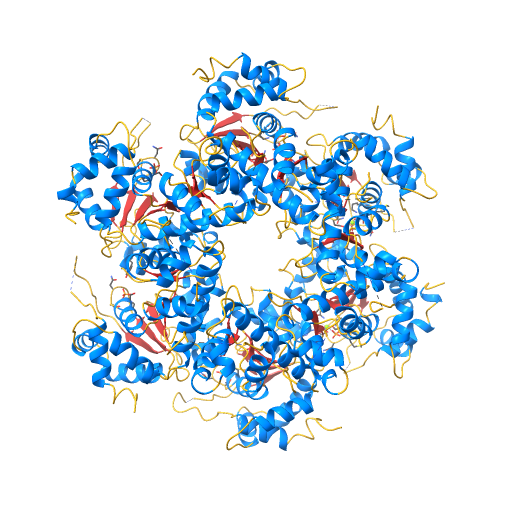
Helicase is the enzyme responsible for unzipping DNA during DNA replication, forming a replication fork and leading and lagging DNA strand. Helicase sits directly in between the two strands as they are unwound and fed forward, breaking the hydrogen bonds between complementary nitrogenous bases. Some helicase enzymes form a ring around the DNA that they unzip, but all helicase enzymes require some ATP to function. Helicase is necessary for DNA replication because the enzymes responsible for copying DNA require a single strand to begin working.
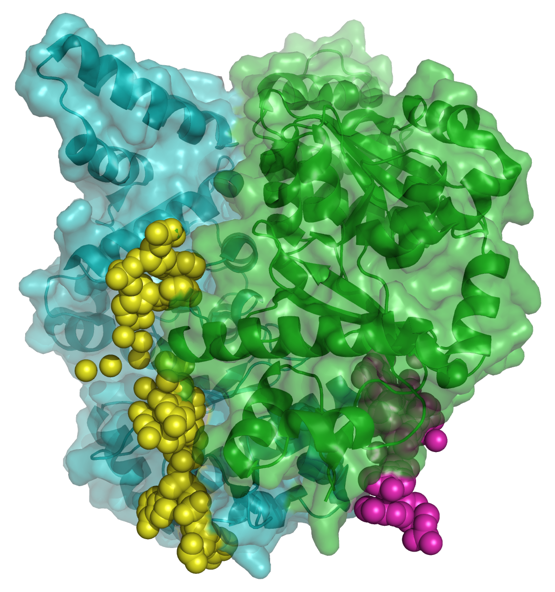
Primase is the enzyme responsible for laying down "primer" onto the growing leading and lagging strands of DNA. This primer comes in the form of a short RNA sequence complementary to a given DNA sequence. On the leading strand, the location of this primer is close to the replication fork. This is different from the placement of primer on the lagging strand, where DNA is copied discontinuously, requiring primer to be placed discretely and against the direction that the lagging strand is growing. The RNA primer is only temporary, and will be replaced with DNA later. The primer layed down by primase is a prerequisite for the enzyme below!
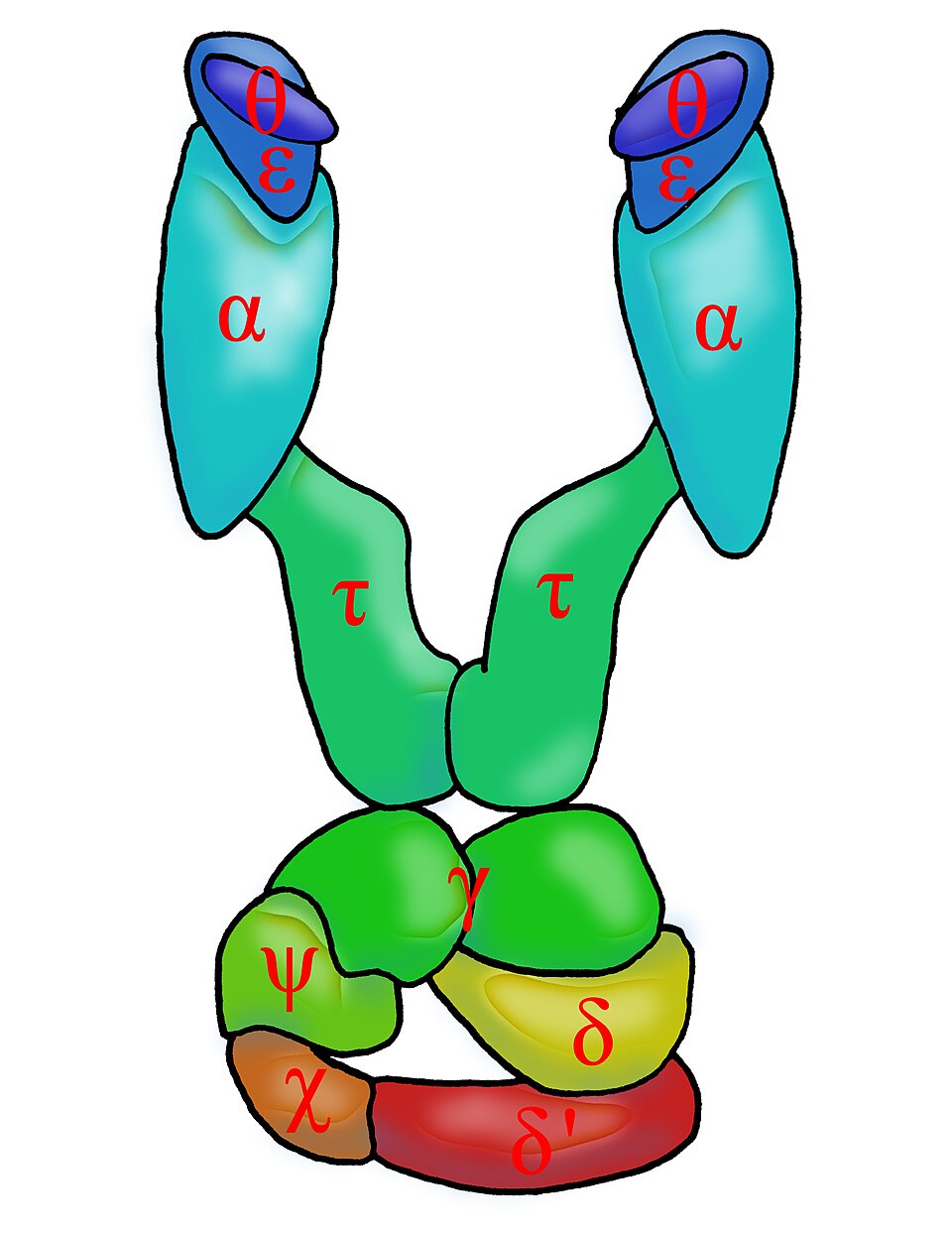
DNA polymerase III is THE most important enzyme involved in DNA replication, responsible for copying DNA by using the leading/lagging strand as a template. DNA Pol III does this by arranging free-floating DNA nucleotides into a DNA sequence complementary to the DNA sequence of the local template strand. DNA Pol III has two major limitations: (1) it cannot begin the synthesis of a new DNA strand without primer and (2) it can only copy in the 5' to 3' direction (antiparallel to the template strand). DNA Pol III (belonging to E. coli) is an incredibly complicated enzyme made up of 10 protein subunits that work in unison. Click this link to see an animation of DNA Pol III in action!
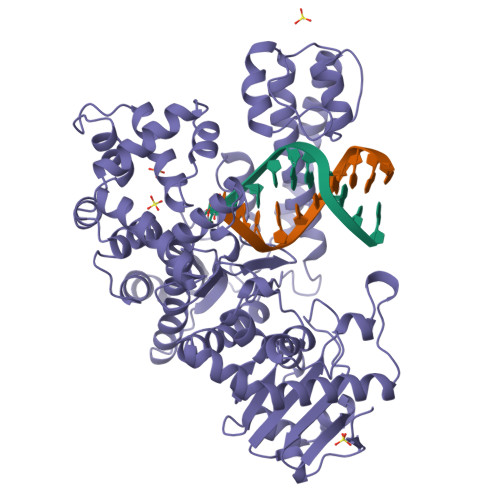
DNA Polymerase I (DNA Pol I) is the enzyme that replaces RNA primer with DNA during DNA replication. DNA Pol I does this by traversing the RNA primer in a direction 5' to 3' and swapping out all uracil nucleotides for thymine nucleotides. DNA Pol I has the added ability of being able to proofread; if the DNA Pol I matches a guanine nucleotide instead of a thymine nucleotide (for example), it can correct its mistake by backing up and trying again! This proofreading ability is given the name "exonuclease activity."
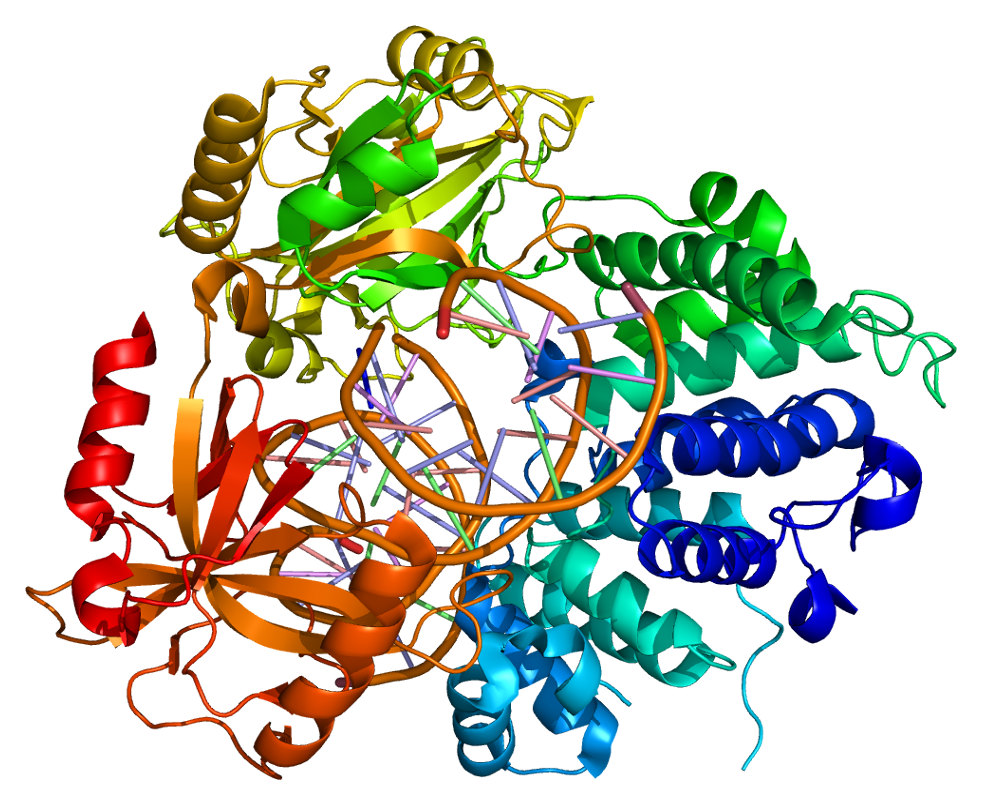
DNA ligase is responsible for sealing (ligating) any breaks ("nicks") in the sugar-phosphate backbone during DNA replication. DNA ligase does this by catalyzing the formation of a phosphodiester bond between the 3' carbon of a deoxyribose sugar and 5' phosphate group of a neighboring deoxyribose sugar. DNA ligase is especially important for the lagging strand, where Okazaki fragments would otherwise be left disconnected. Eukaryotic DNA ligase usually require some ATP to begin ligating, although there are bacterial DNA ligase that use NAD+ and not ATP. DNA ligase does not work in a specific direction like the previous enzymes. Instead, it recognizes a nick, fixes the nick, and disengages from the strand.
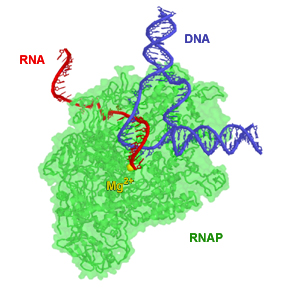
There are 3 kinds of RNA polymerase, each of them play a crucial role in the transcription and translation of DNA to make proteins. RNA Pol II synthesizes mRNA (messenger RNA) by reading the template strand of DNA in a 3' to 5' direction, adding complementary RNA nucleotides to a growing RNA strand in a process known as transcription. RNA Pol I is responsible for synthesizing the rRNA (ribosomal RNA) that come together to form your ribosomes. Your ribosomes synthesize proteins by reading instructions in the form of mRNA in a process known as translation, matching a codon of mRNA to an anticodon of tRNA (transfer RNA). This forms an amino acid chain at the end of the ribosome, the individual amino acids are cleaved off of the tRNA synthesized by RNA Pol III.
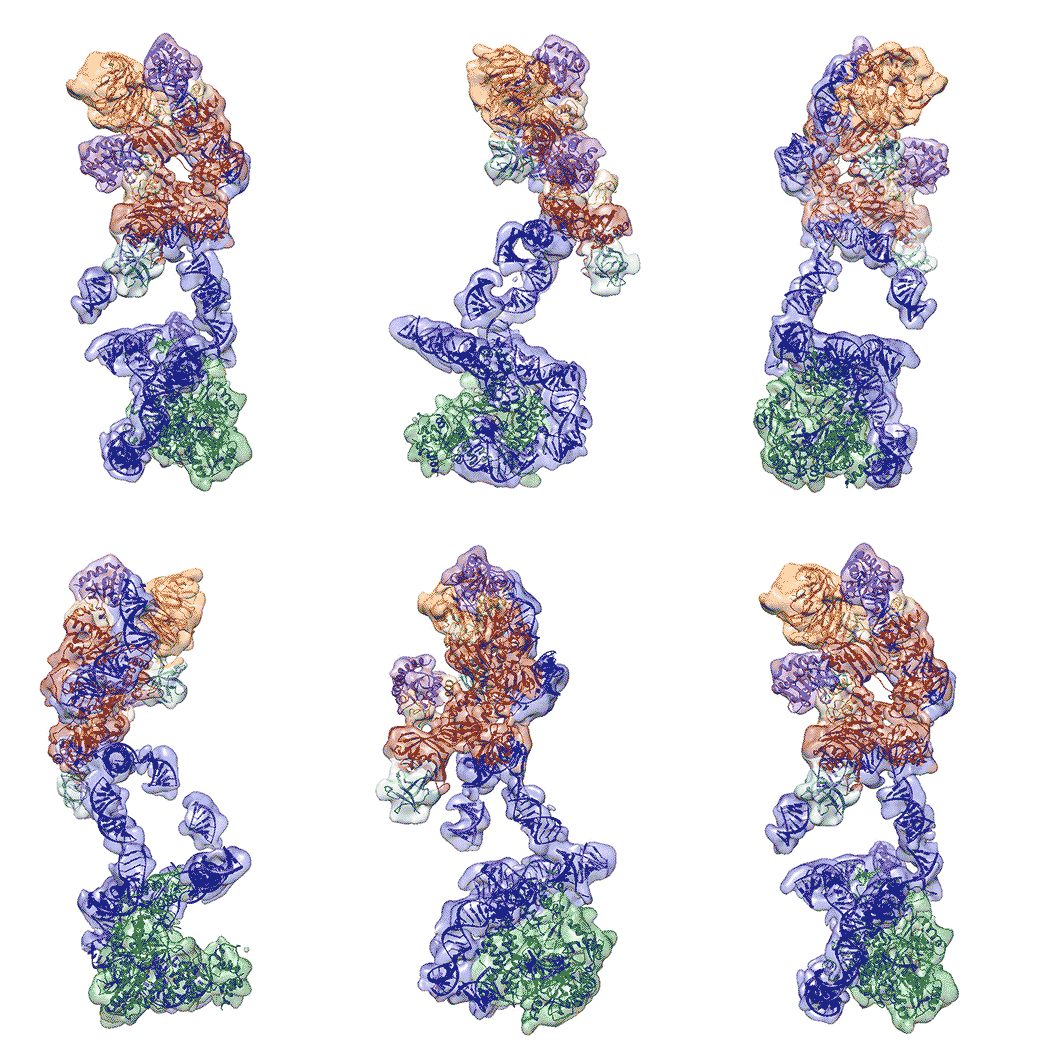
Telomerase solves the "end-replication" problem that happens as a result of DNA polymerase being unable to copy DNA at the end of the lagging strand during DNA replication. This is a problem unique to eukaryotes, prokaryotes do not have this problem because their DNA is circular instead of linear. If the end-replication issue is left unchecked, a cell would lose its DNA over time, leading to disastrous consequences. Telomerase fixes the end-replication problem by adding repeating filler nucleotide sequences at the end of the lagging strand after each round of DNA replication, preventing the natural wear of DNA from reaching important information.
HONORABLE MENTIONS
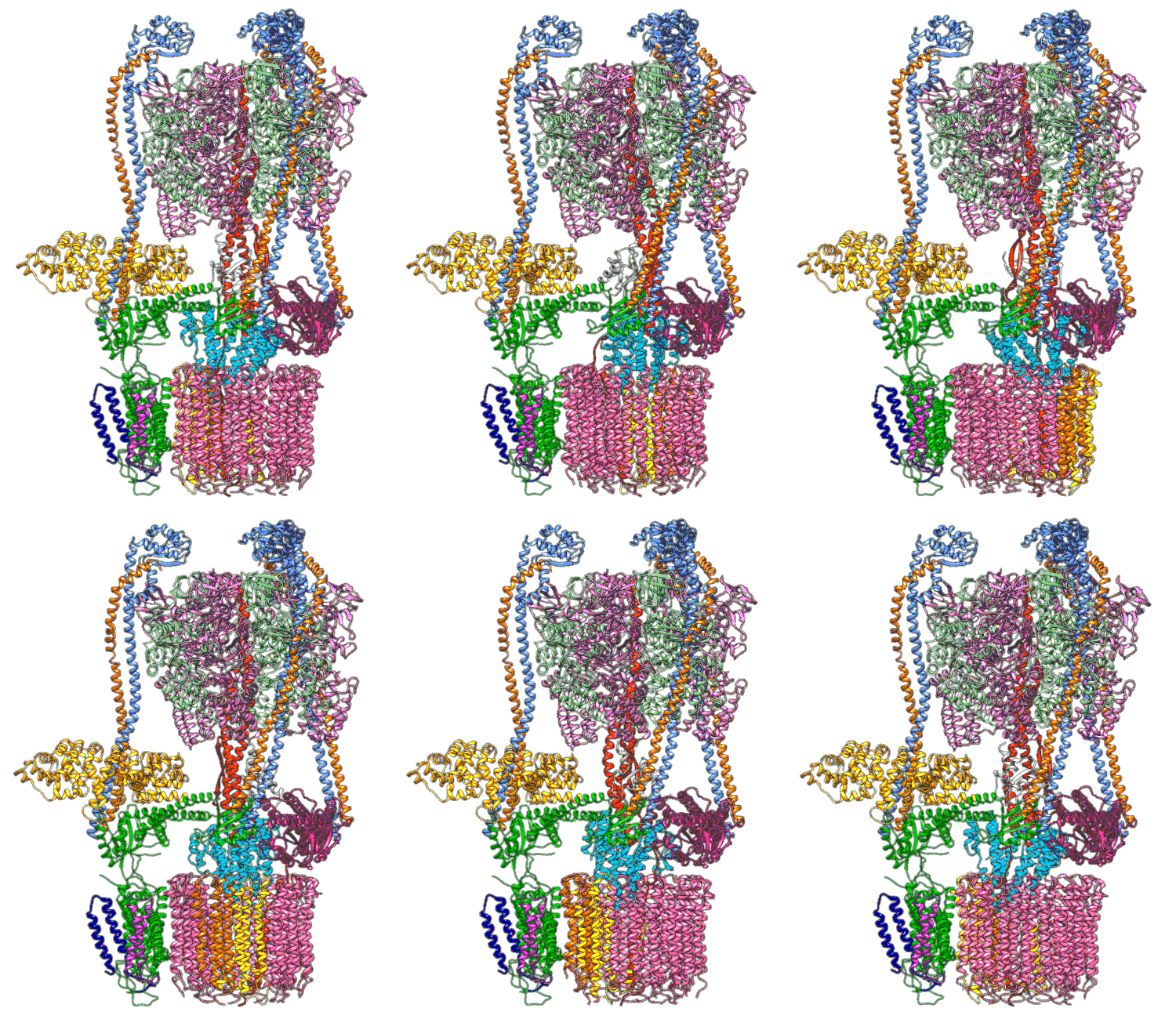
The V in V-ATPase stands for "vacuolar-type," a name given to this family of enzymes because of the fact that they were originally identified as a part of vacuole-like organelles. V-ATPase is responsible for moving H+ ions from one side of the phospholipid bilayer to the other, along or against their concentration gradient. V-ATPase requires energy from ATP hydrolysis to begin spinning its protein rotor mechanism, which is what pumps H+ ions to and fro. V-ATPase has the ability to acidify vacuoles or other organelles, catalyzing reactions as a result. This enzyme earns a spot on the honorable mentions list because of how similar in looks but different in function it is to ATP synthase.
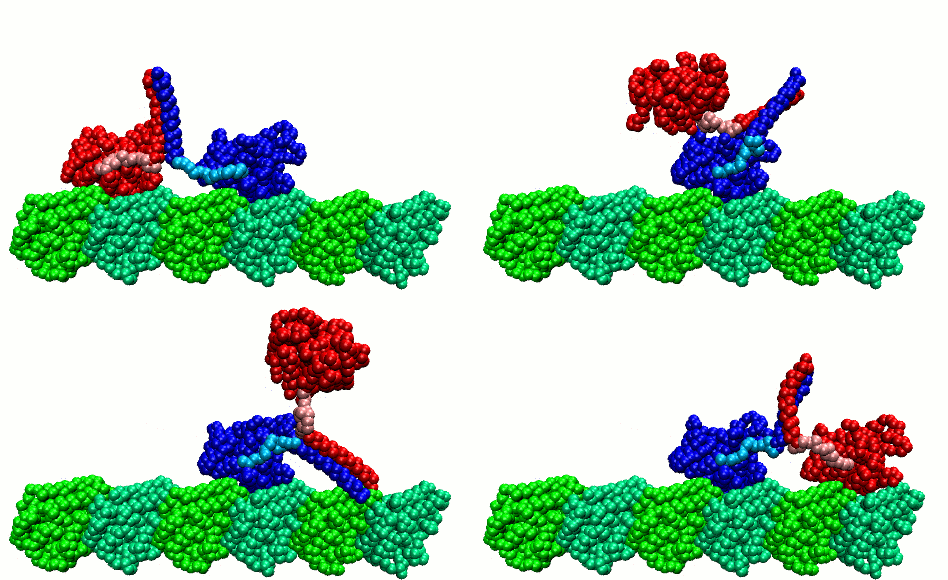
Kinesins are motor proteins that walk along the microtubule tracks of the eukaryotic cytoskeleton, pulling cargo along with them. Kinesins walk towards the positive end (towards the cell periphery) of the microtubules, and require ATP to take steps. Kinesins walk by binding one of their legs to the surface of a microtubule, swinging the other leg around, binding that leg and releasing the previous leg. Repeating this produces a walking motion. Dyneins are motor proteins similar to kinesins, except they walk towards the negative end (towards the nucleus) of the microtubules. Click here to see an animation of a kinesin carrying cargo many multitudes bigger than itself!
Want to learn more? Click here!